Balayage Hair: Hand-Painted Color That Lives and Breathes
The low-maintenance technique that delivers high-impact, natural-looking dimension—see it on you first.
Every 12 weeks
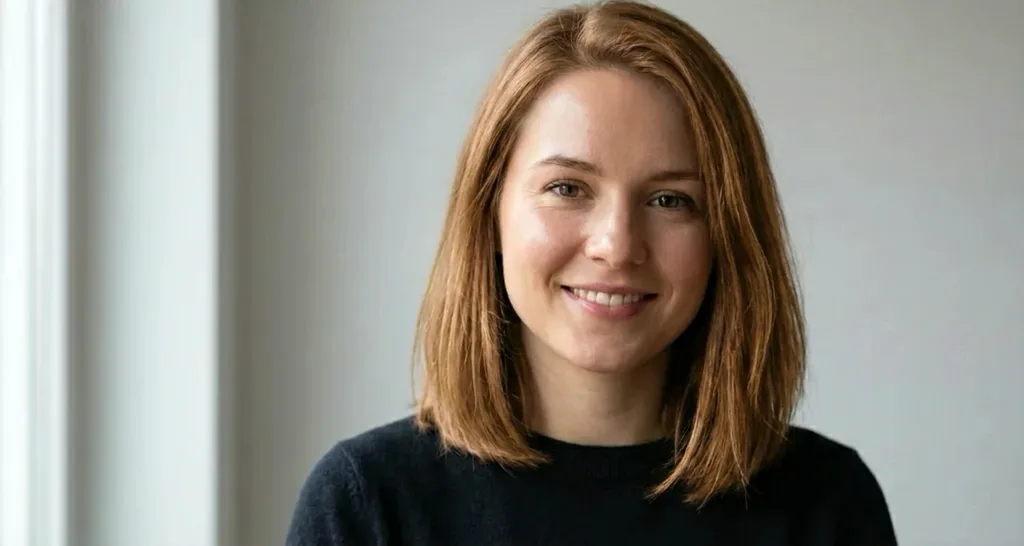
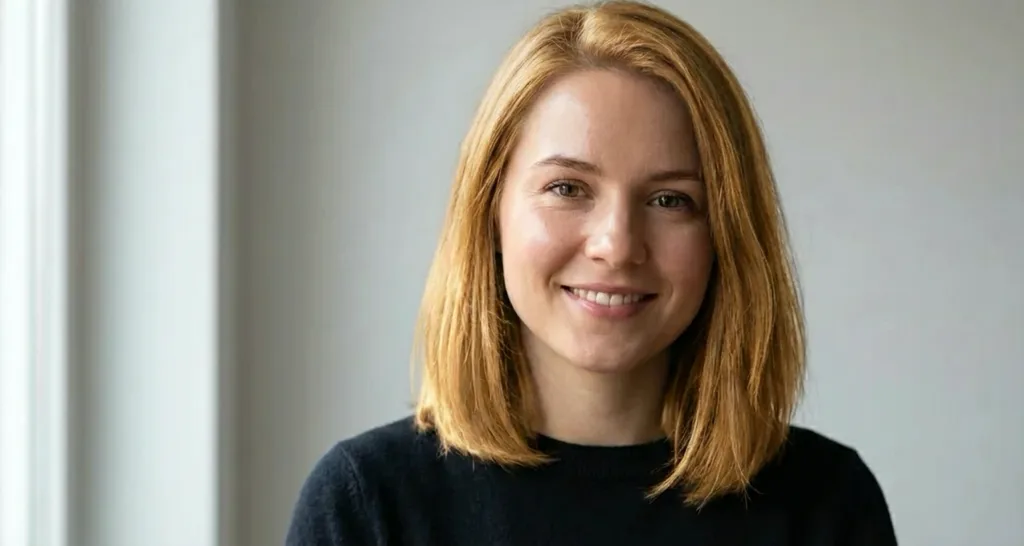
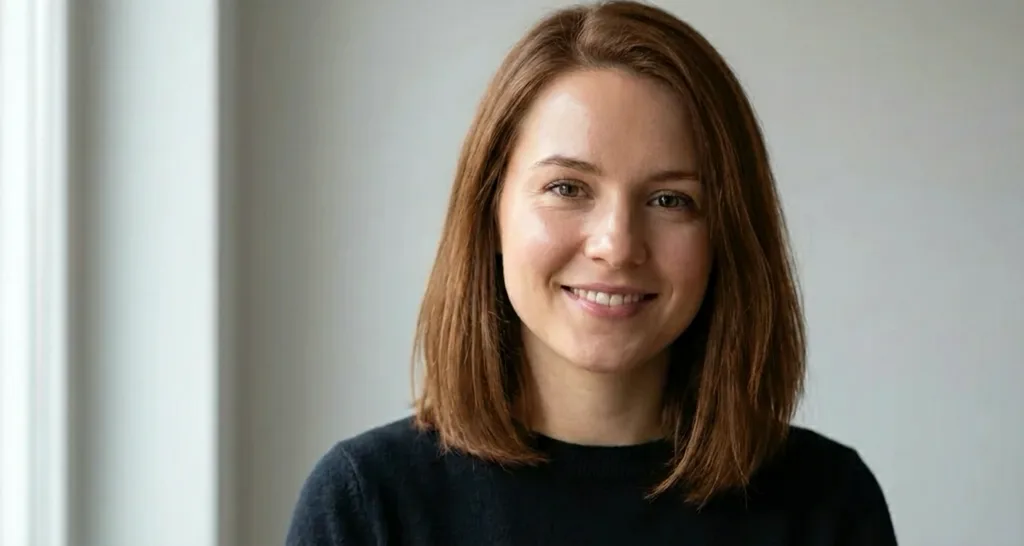
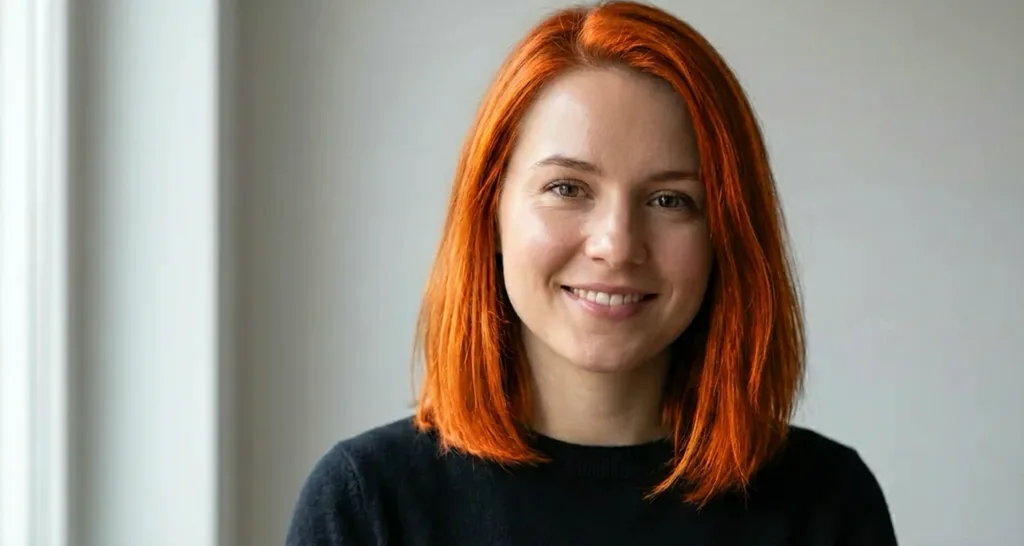
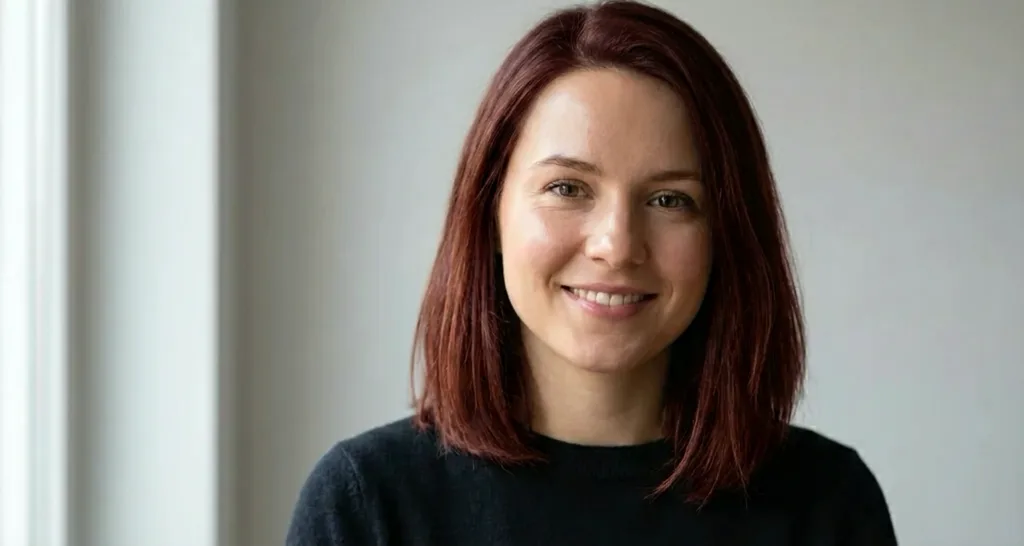
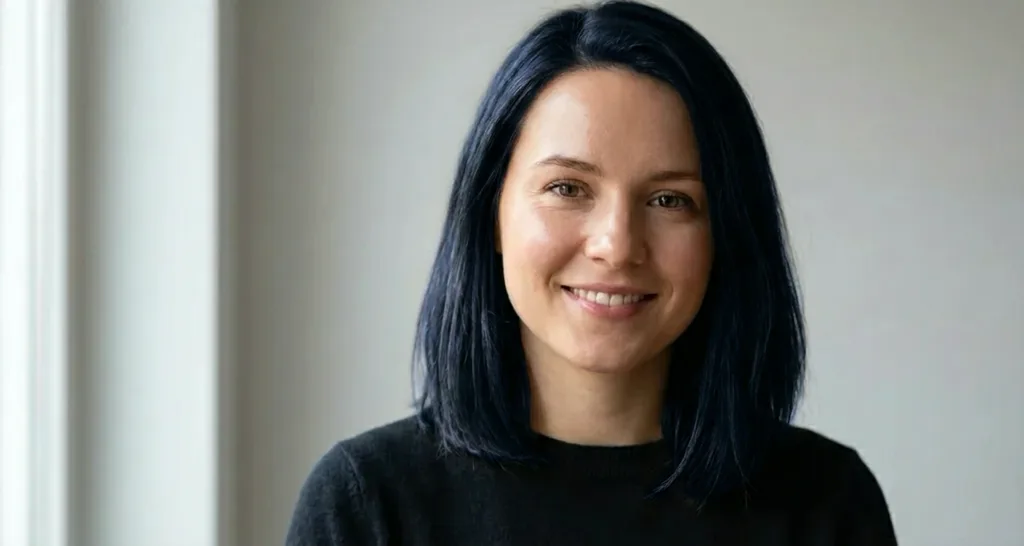
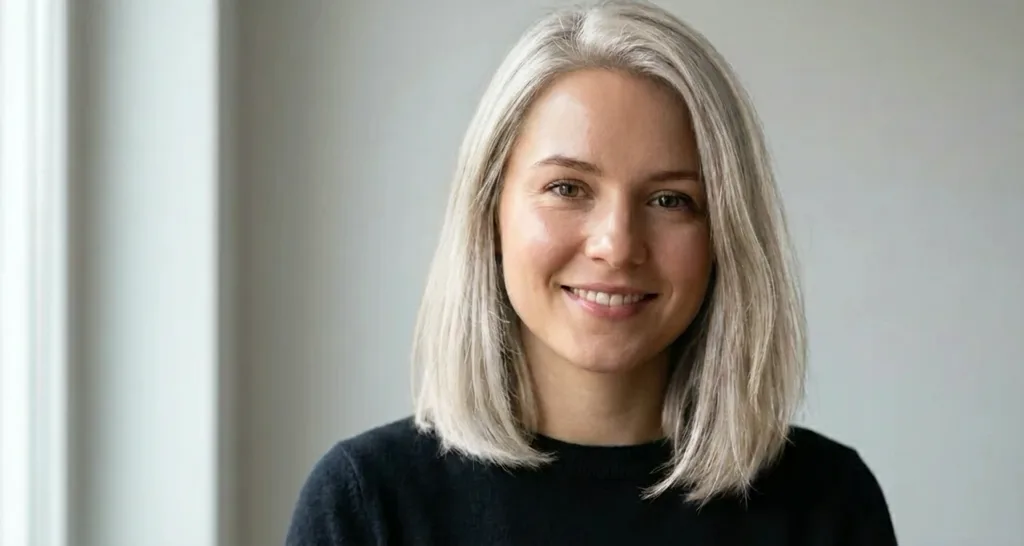
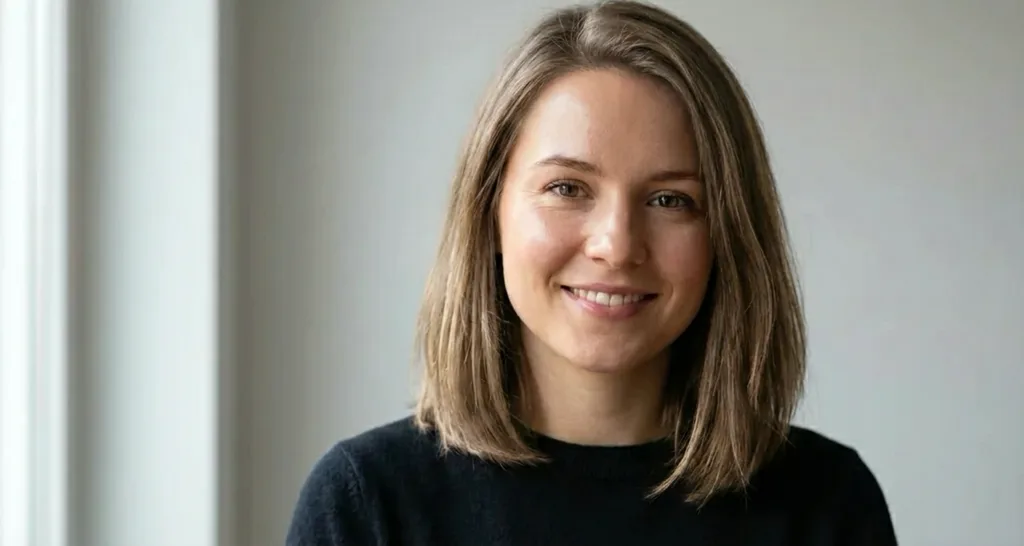
See the Transformation
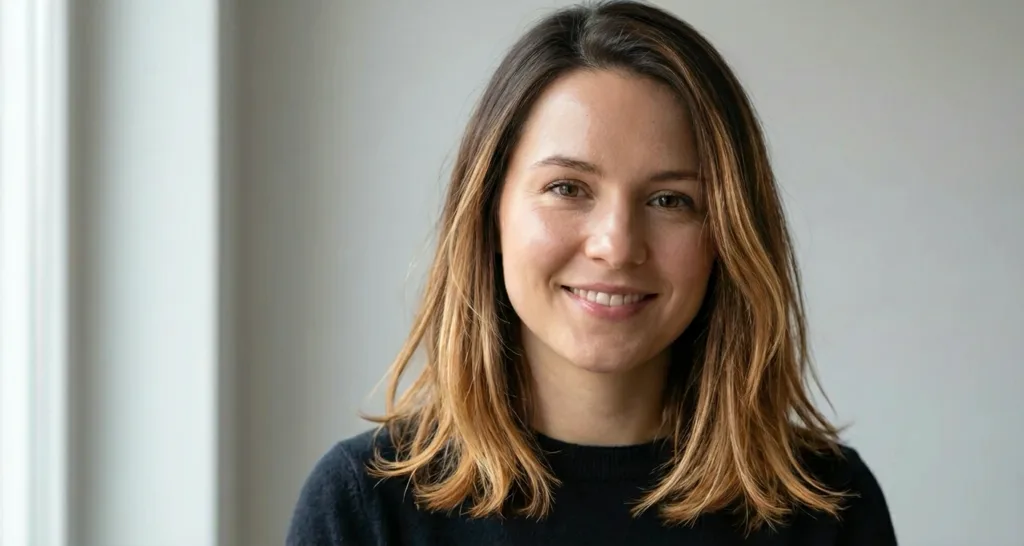
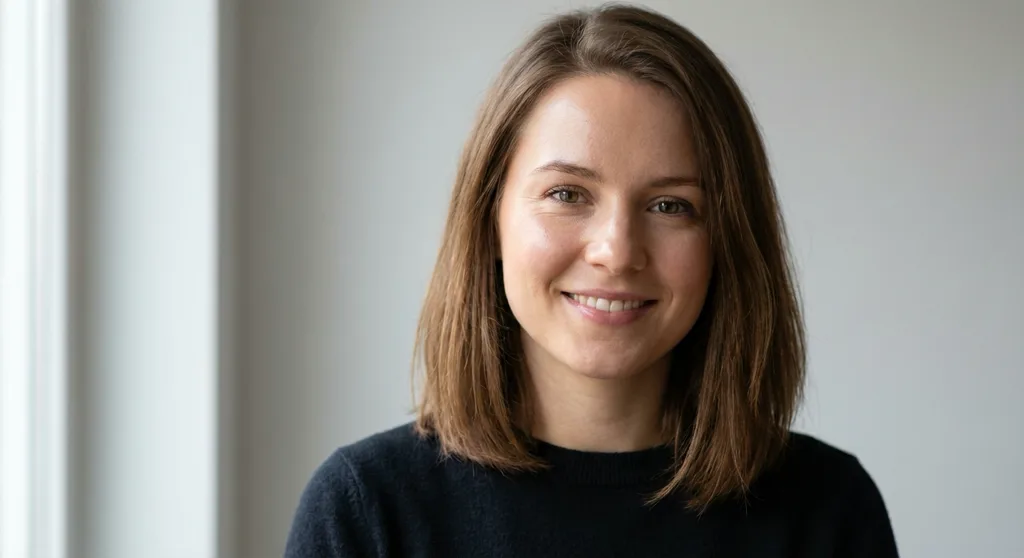
Upload your photo in the app to see your real transformation
Color Palette
Why It Works
Balayage literally means "to sweep" in French, and the technique delivers exactly that—color swept through the hair by hand for a gradient effect that mimics how the sun naturally lightens your strands. Because there are no foils dictating uniform sections, every balayage is unique to the individual head. The soft, blended transition from root to tip means regrowth looks intentional rather than overdue. It's equally beautiful on straight, wavy, and curly textures, and it works with any base color from jet black to dirty blonde.
Best for
- Anyone testing balayage on their own photo before booking color
- Comparing soft painted dimension, usually lived-in before a salon commitment
- People who want a realistic read of maintenance: glosses more than full root retouches
Skip this if
- You need a zero-maintenance color and balayage is high upkeep on your base
- You will not budget for medium; grow-out is the selling point
- You are matching a filtered photo with different lighting and hair history
Common mistakes
Booking balayage from a celebrity still without checking lift and your actual base is how people get blunt highlight lines sold as balayage. Commitment level: medium; grow-out is the selling point.
What to ask your barber
“I want balayage — talk to me about undertone (soft painted dimension, usually lived-in), how much lift or deposit I need, and the real maintenance. Show me a softer and a bolder version. I can preview on my photo first.”
How to Style
- 01
Discuss the transition point with your colorist—higher placement is more dramatic, lower is more subtle.
- 02
Colorist hand-paints lightener onto mid-lengths and ends in sweeping strokes.
- 03
Process in open air (no foils) for a softer, more graduated lift.
- 04
Rinse and apply a custom toner to achieve the desired end tone (caramel, beige, golden, etc.).
- 05
Maintain with weekly hair masks focusing on the lightened ends and a gloss every 10–12 weeks.
Styling notes
A skilled colorist will paint lightener freehand, concentrating saturation at the mid-lengths and ends while leaving the root area untouched. The result is a graduated, multi-tonal effect. To maintain vibrancy, use a sulfate-free shampoo and a weekly hair mask to combat dryness in the lightened sections. A gloss or toner appointment every ten to twelve weeks keeps the tones fresh. Between visits, a texturizing spray or sea-salt mist enhances the dimension by showing off the color variation.
Try on your photo
Balayage is inherently customizable, which makes it hard to describe to a colorist with words alone. AI try-on gives you a visual starting point—you can see how subtle versus dramatic the sweep looks on your specific hair length and color before committing.
Preview this style on your photoFAQ
Frequently Asked Questions
What is the difference between balayage and highlights?
Highlights use foils to lift uniform sections of hair from root to tip, creating a striped pattern. Balayage is painted freehand and concentrates color on the mid-shaft and ends, so the root blends naturally. Balayage grows out more gracefully, while highlights tend to need touch-ups sooner.
Is balayage less damaging than traditional highlights?
Generally yes, because the lightener isn't sealed in foil—it processes in open air, which limits the lift and reduces cuticle stress. The roots are also left natural, so less of your total hair is chemically treated. That said, the lightened ends still need moisture and bond-repair care.
How long does a balayage appointment take?
Expect two to three hours for a first-time balayage, depending on your hair length and desired contrast. Touch-ups are shorter because only new growth and faded areas need attention. Many clients find the time investment worthwhile since they only visit every twelve to sixteen weeks.
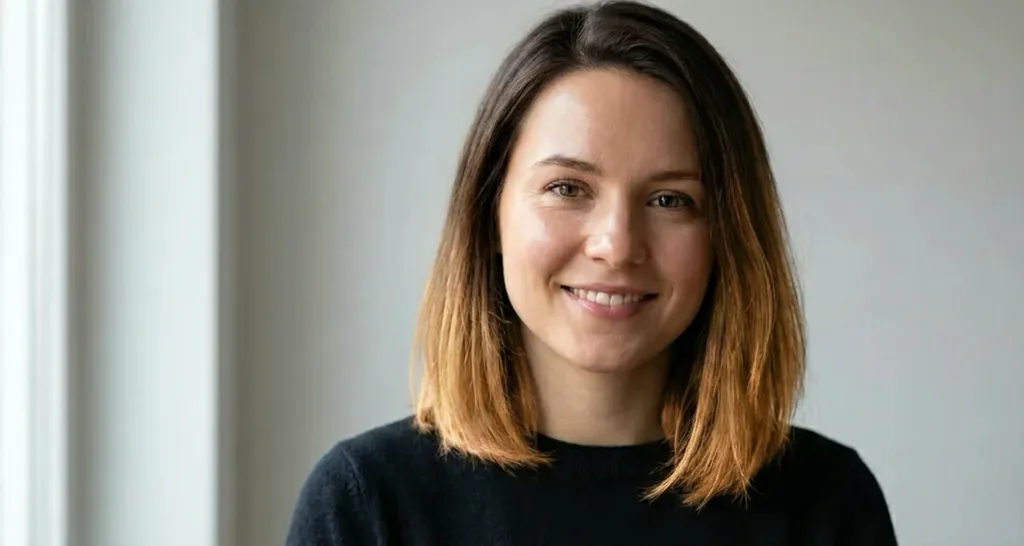
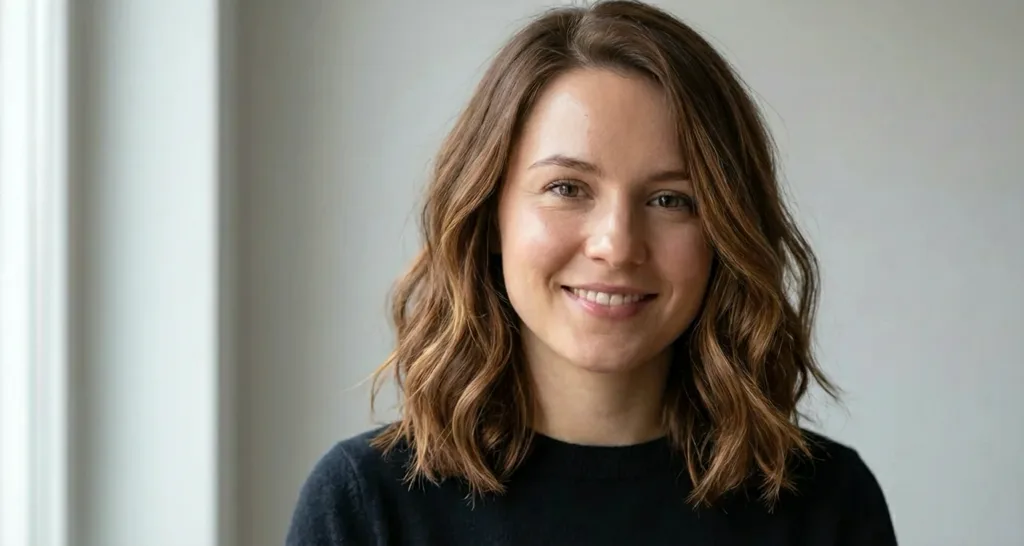
Want to see it on your own face?
Open the free hairstyle previewer, upload a selfie, and compare looks before you book.
Preview styles on your photo